
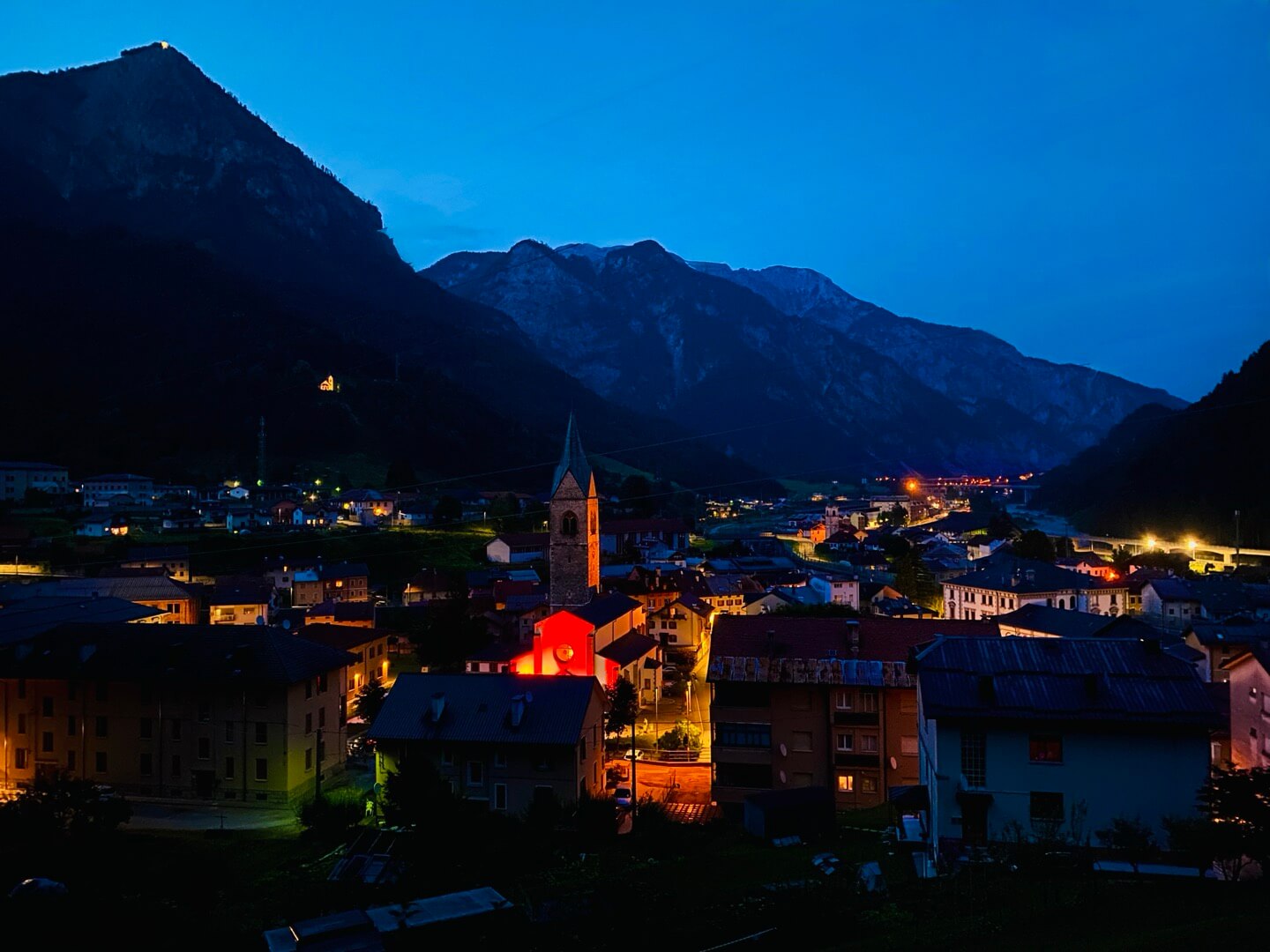
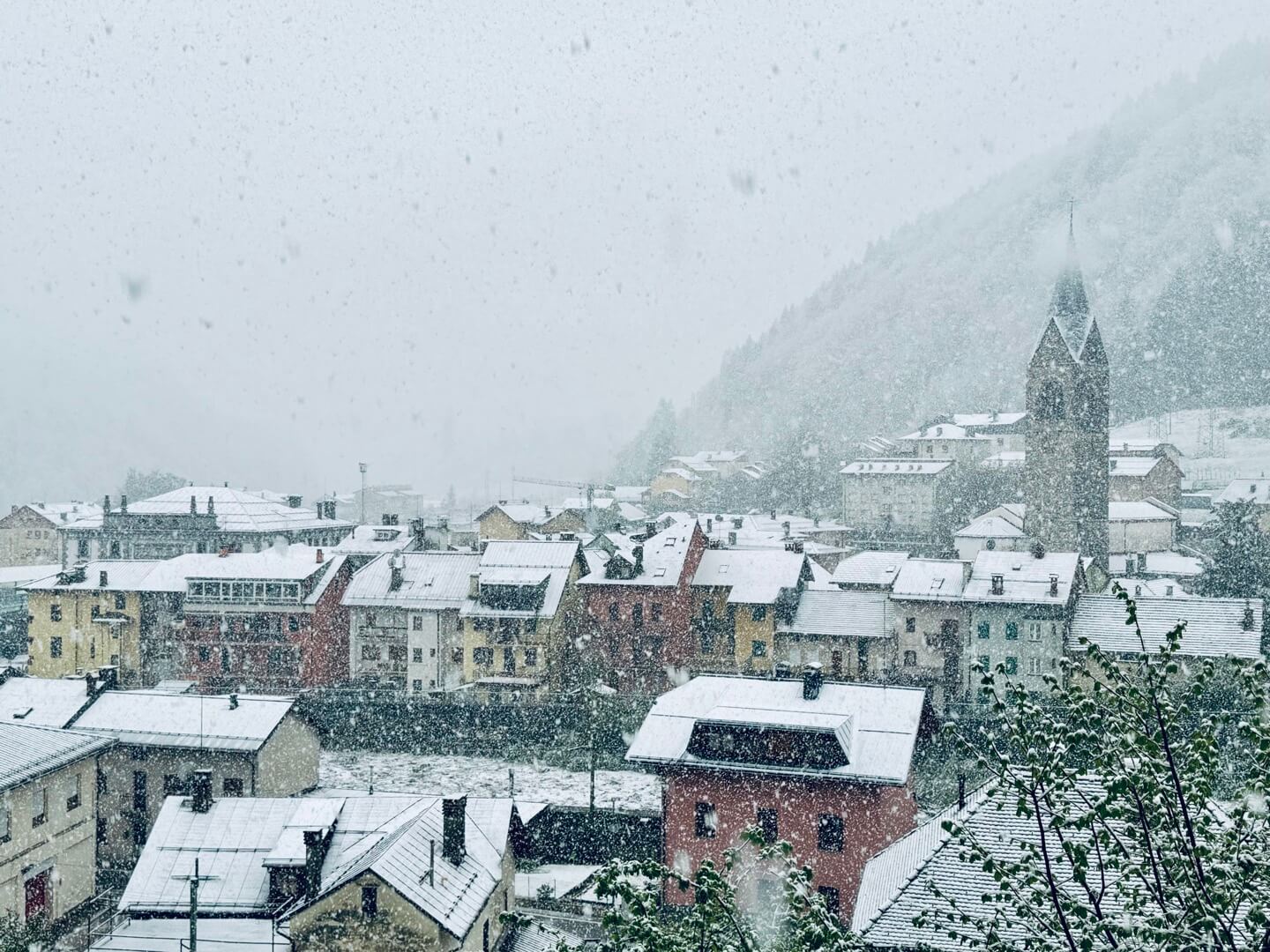
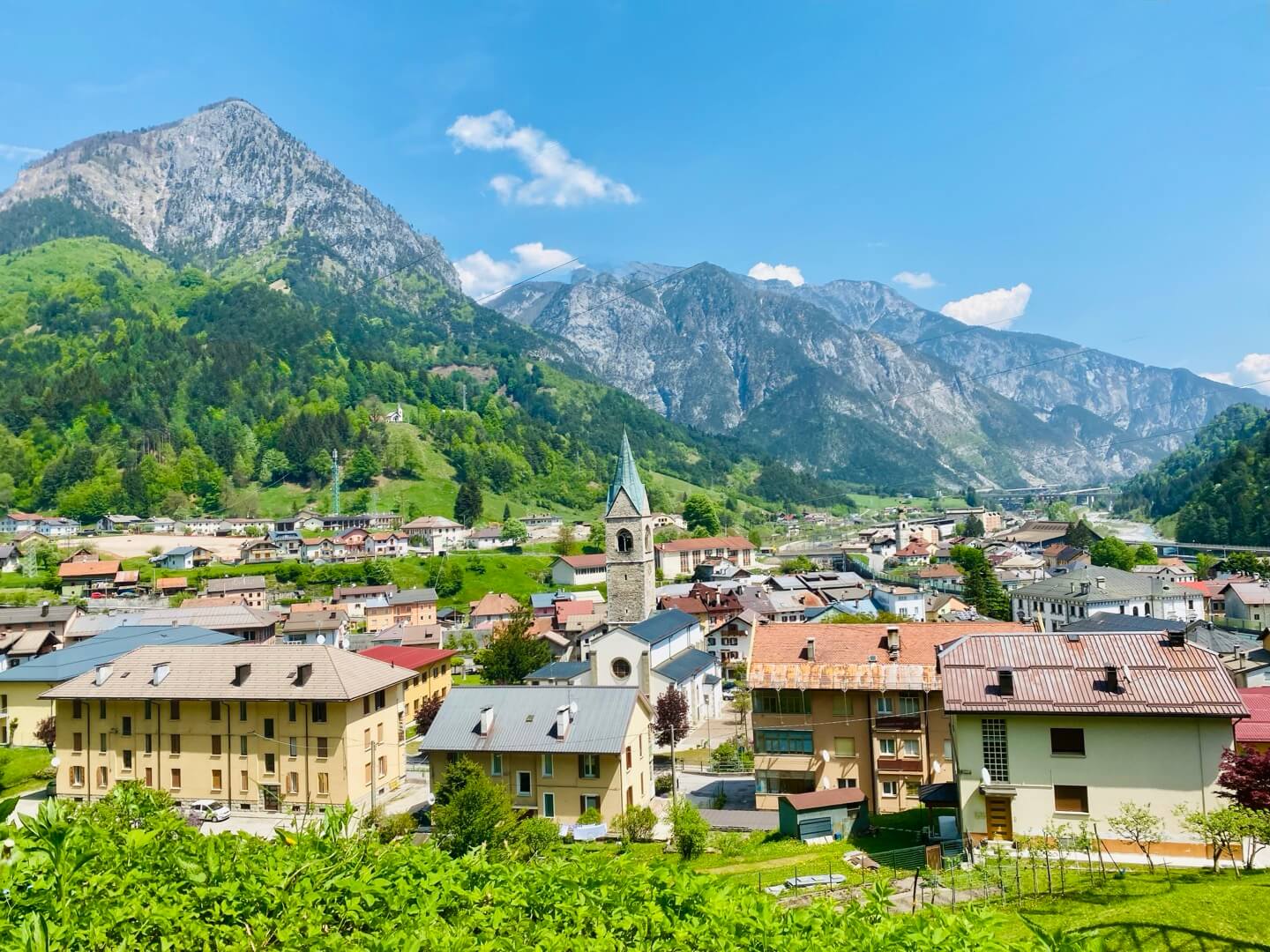

Located at the western end of the Canal Valley, Pontebba has always occupied a strategic position along the routes connecting Italy with Central Europe. For many centuries, the town served as an important centre for transit and trade, thanks to its location along one of the main Alpine corridors.
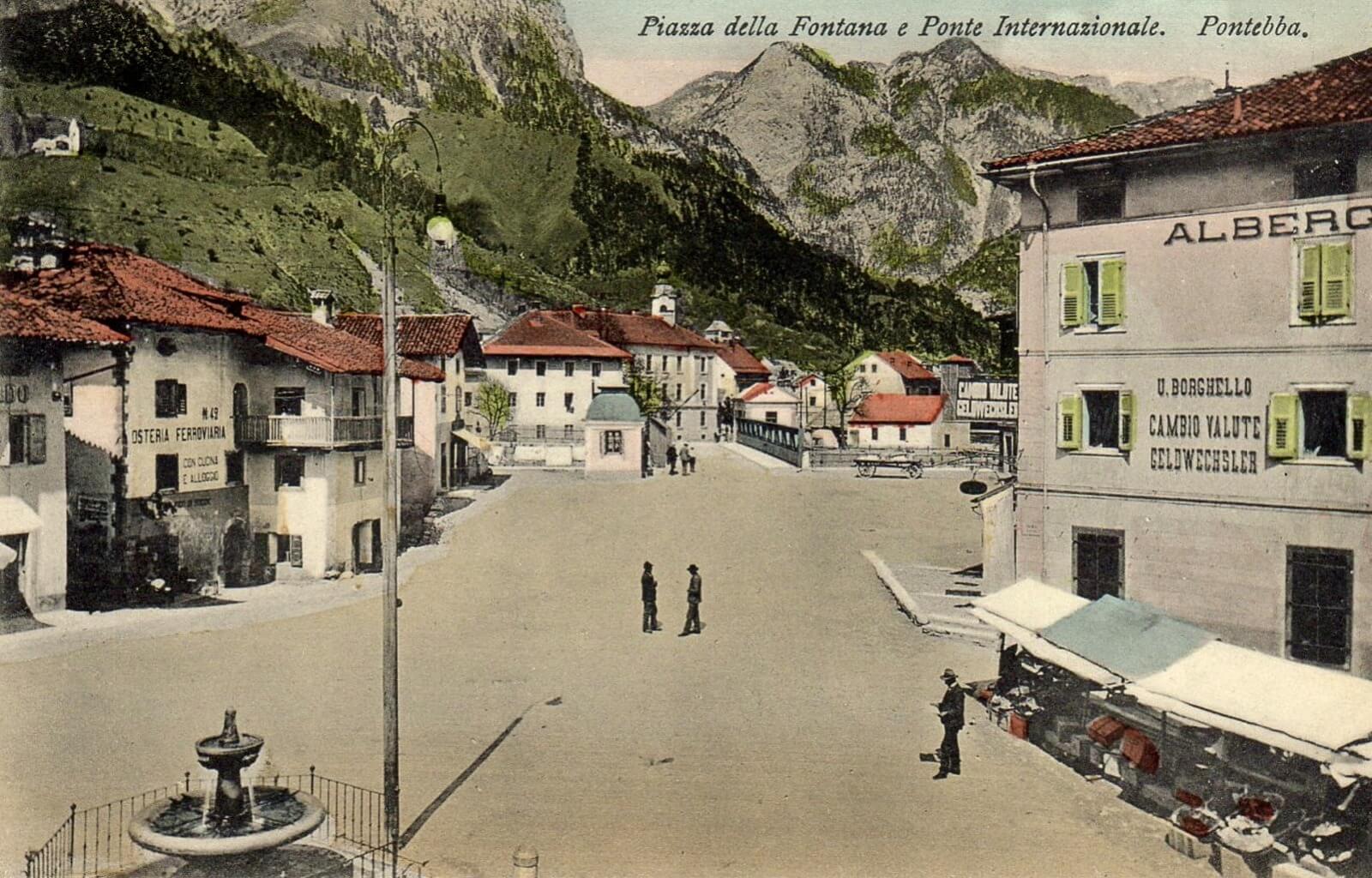
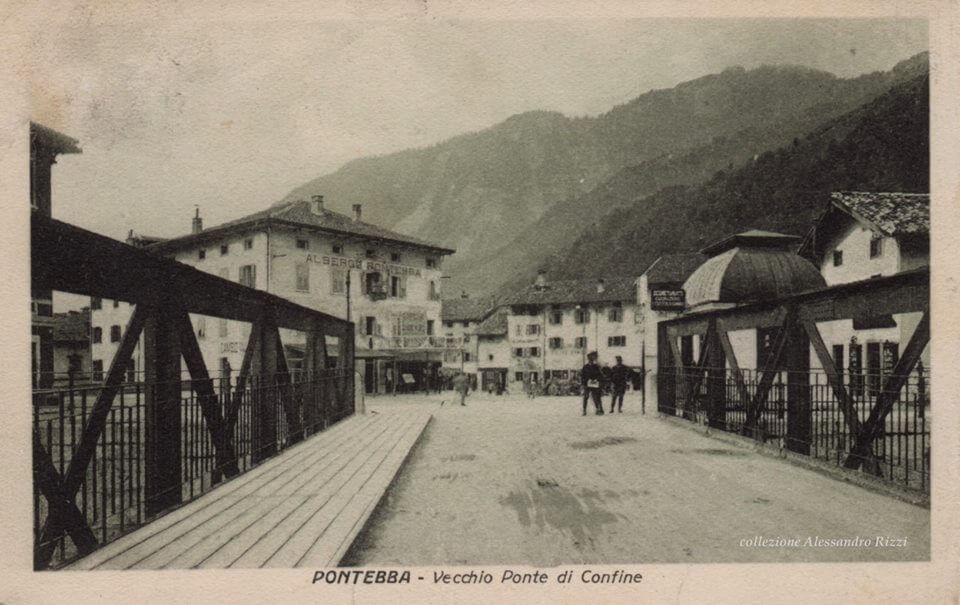
The history of Pontebba is closely linked to the concept of the border. Until the end of the First World War, the river that runs through the town marked the boundary between the Kingdom of Italy and the Austro-Hungarian Empire. The two riverbanks belonged to different political entities, and this situation helped shape a community characterised by remarkable cultural and linguistic diversity.
It was here that the Carinthian dialect survived longer than in many other settlements of the Canal Valley. Although it is used less frequently in everyday life today, it remains an important element of local identity and a testimony to the community’s deep German-speaking roots. Alongside Italian and Friulian, it tells a story of contact, exchange, and coexistence among different peoples.
The town’s historic trading vocation, its long experience as a border community, and the presence of different linguistic traditions have left visible traces in the local cultural heritage. Walking through Pontebba, visitors can still recognise the signs of this past, which continues to live on in collective memory and in initiatives dedicated to preserving and promoting the history of the Canal Valley.
A place shaped by borders, encounters, and cultural dialogue, Pontebba remains one of the most significant expressions of the rich and diverse identity of this Alpine region.
The history of Pontebba is closely linked to the concept of the border. Until the end of the First World War, the river that runs through the town marked the boundary between the Kingdom of Italy and the Austro-Hungarian Empire. The two riverbanks belonged to different political entities, and this situation helped shape a community characterised by remarkable cultural and linguistic diversity.
It was here that the Carinthian dialect survived longer than in many other settlements of the Canal Valley. Although it is used less frequently in everyday life today, it remains an important element of local identity and a testimony to the community’s deep German-speaking roots. Alongside Italian and Friulian, it tells a story of contact, exchange, and coexistence among different peoples.
The town’s historic trading vocation, its long experience as a border community, and the presence of different linguistic traditions have left visible traces in the local cultural heritage. Walking through Pontebba, visitors can still recognise the signs of this past, which continues to live on in collective memory and in initiatives dedicated to preserving and promoting the history of the Canal Valley.
A place shaped by borders, encounters, and cultural dialogue, Pontebba remains one of the most significant expressions of the rich and diverse identity of this Alpine region.