
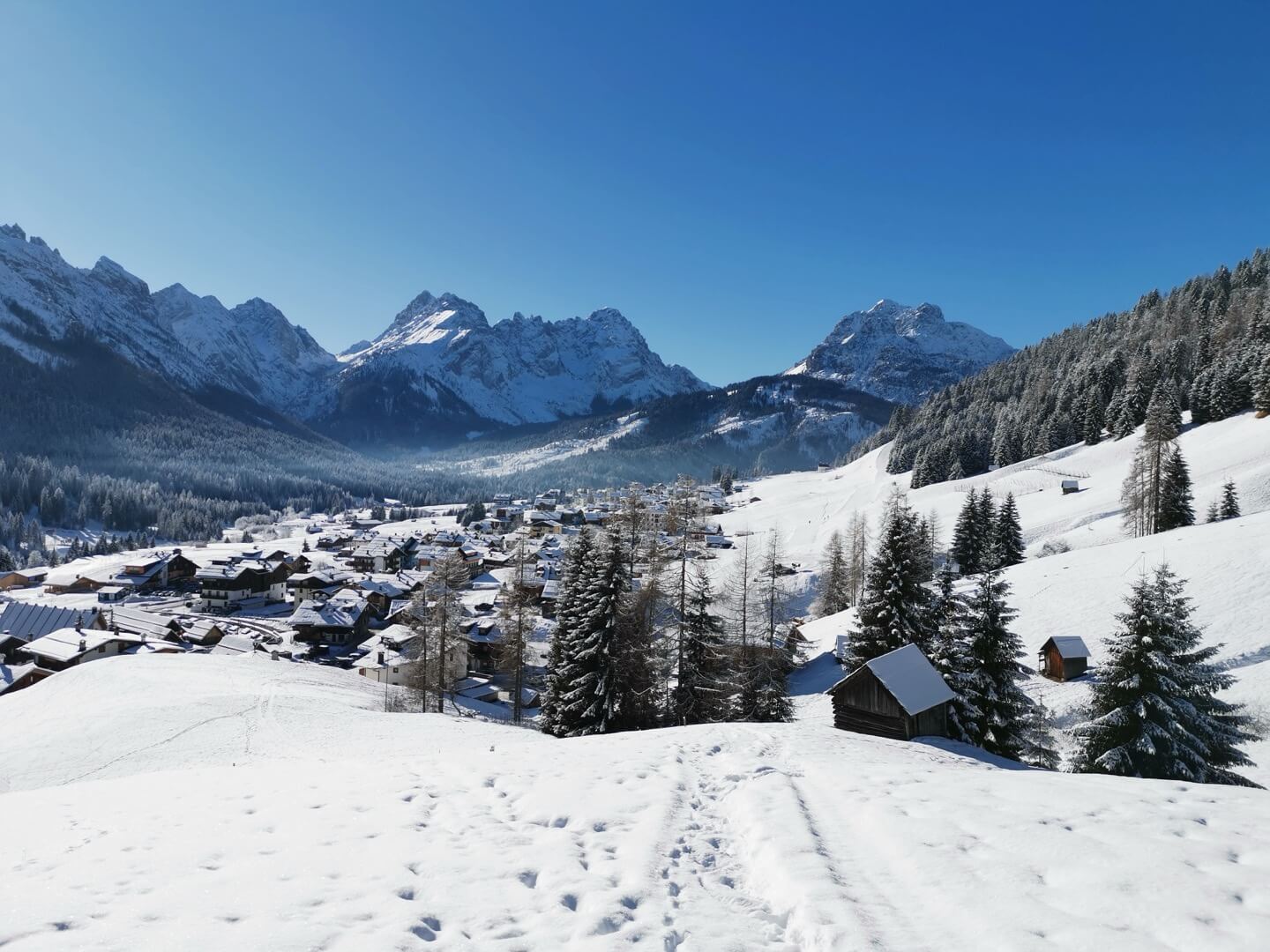
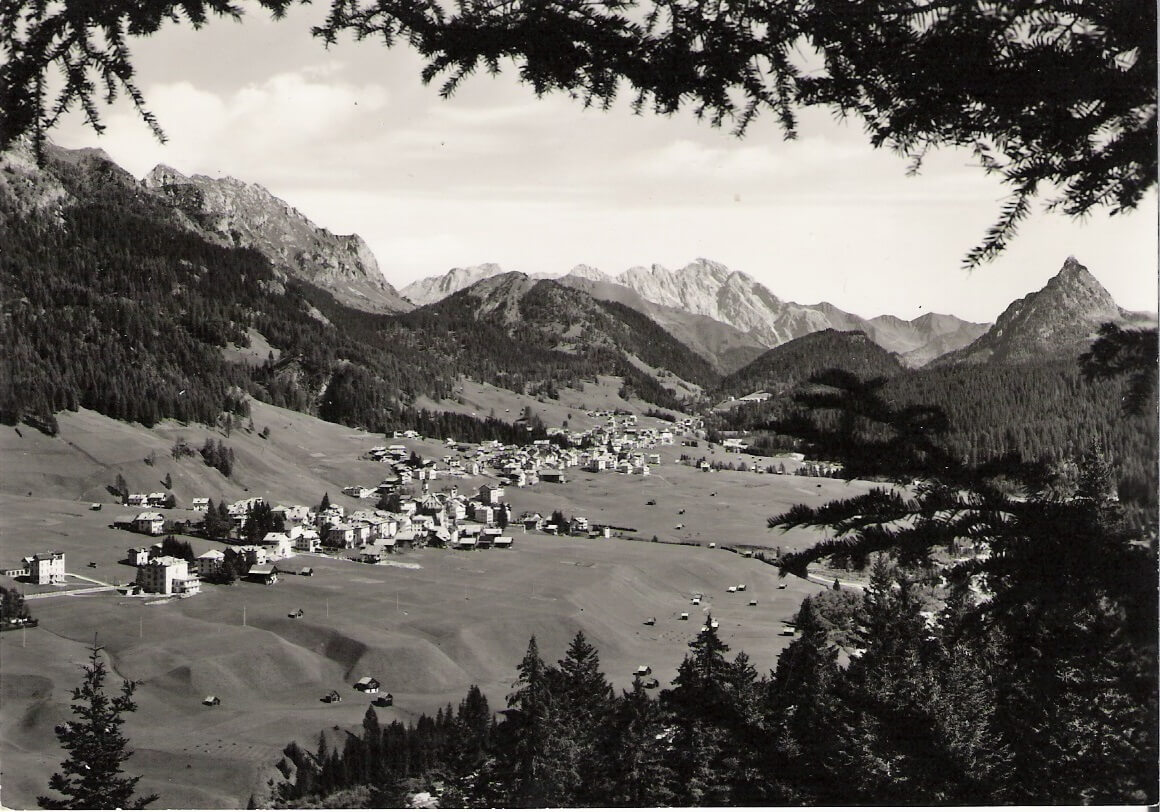
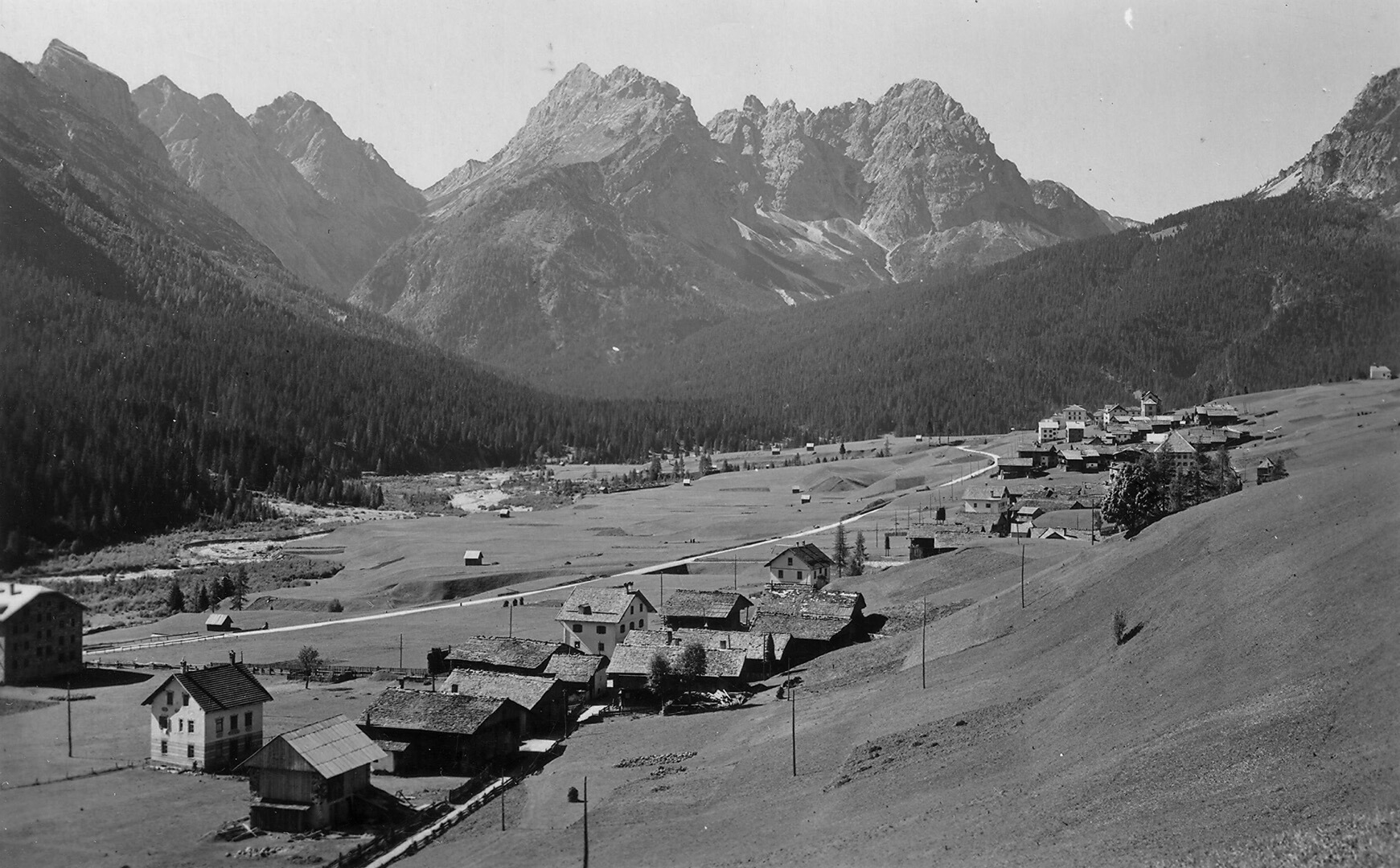
Sappada, or Plodn in the local language, lies at the eastern edge of the Dolomites, where the Piave River originates. The settlement stretches for about five kilometres along the valley and consists of fifteen hamlets, known as *heivilan*, each with its own distinctive features and traditions. A ring of mountains surrounds the village, shaping the landscape and accompanying the life of the community throughout its history.
The uniqueness of Sappada lies above all in its linguistic and cultural identity. The village is one of the historic Germanic language islands of the Alpine region. Here, Plodarisch is spoken, a language handed down from generation to generation for more than a thousand years and still a fundamental element of collective memory and local identity.
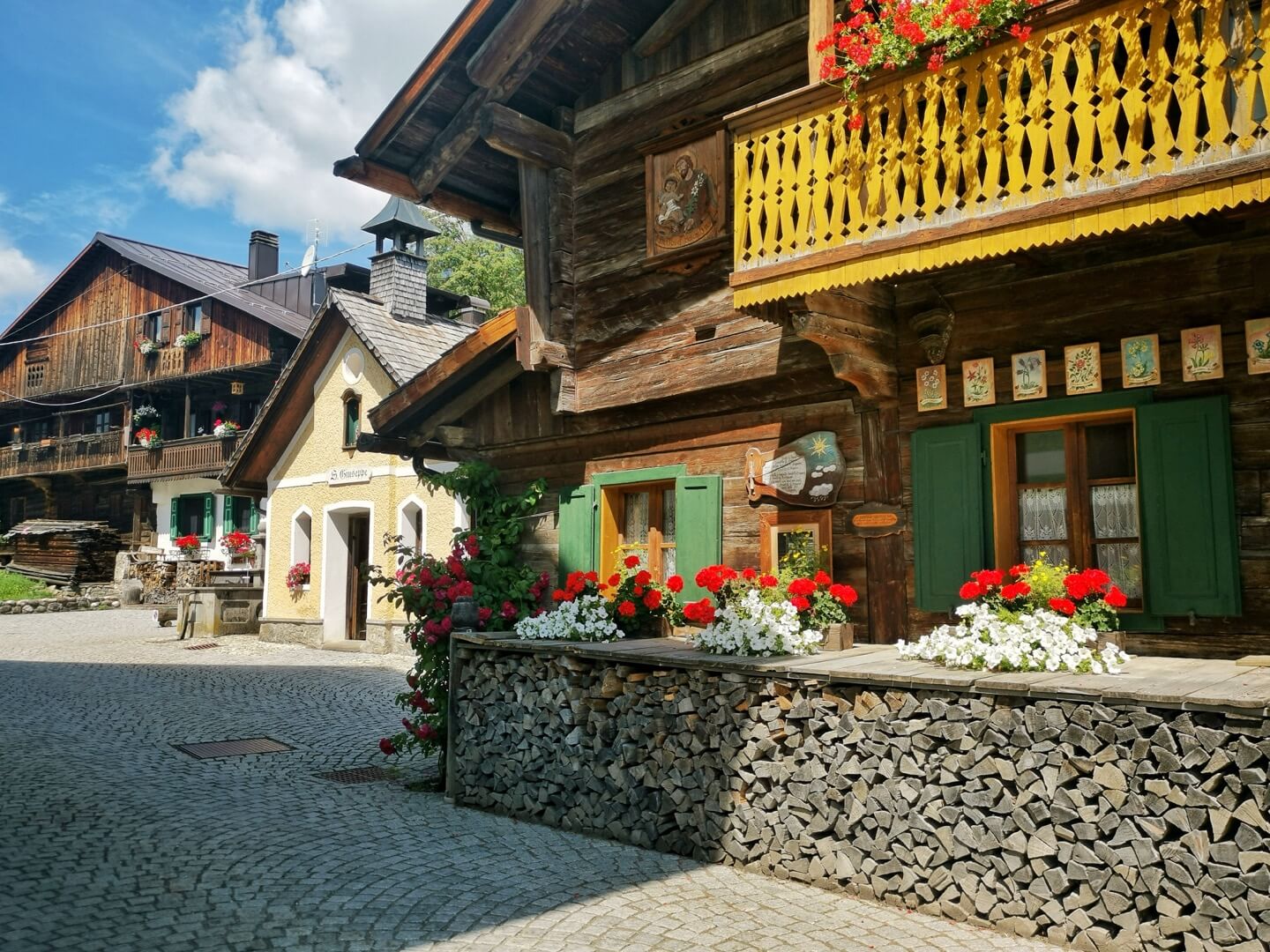
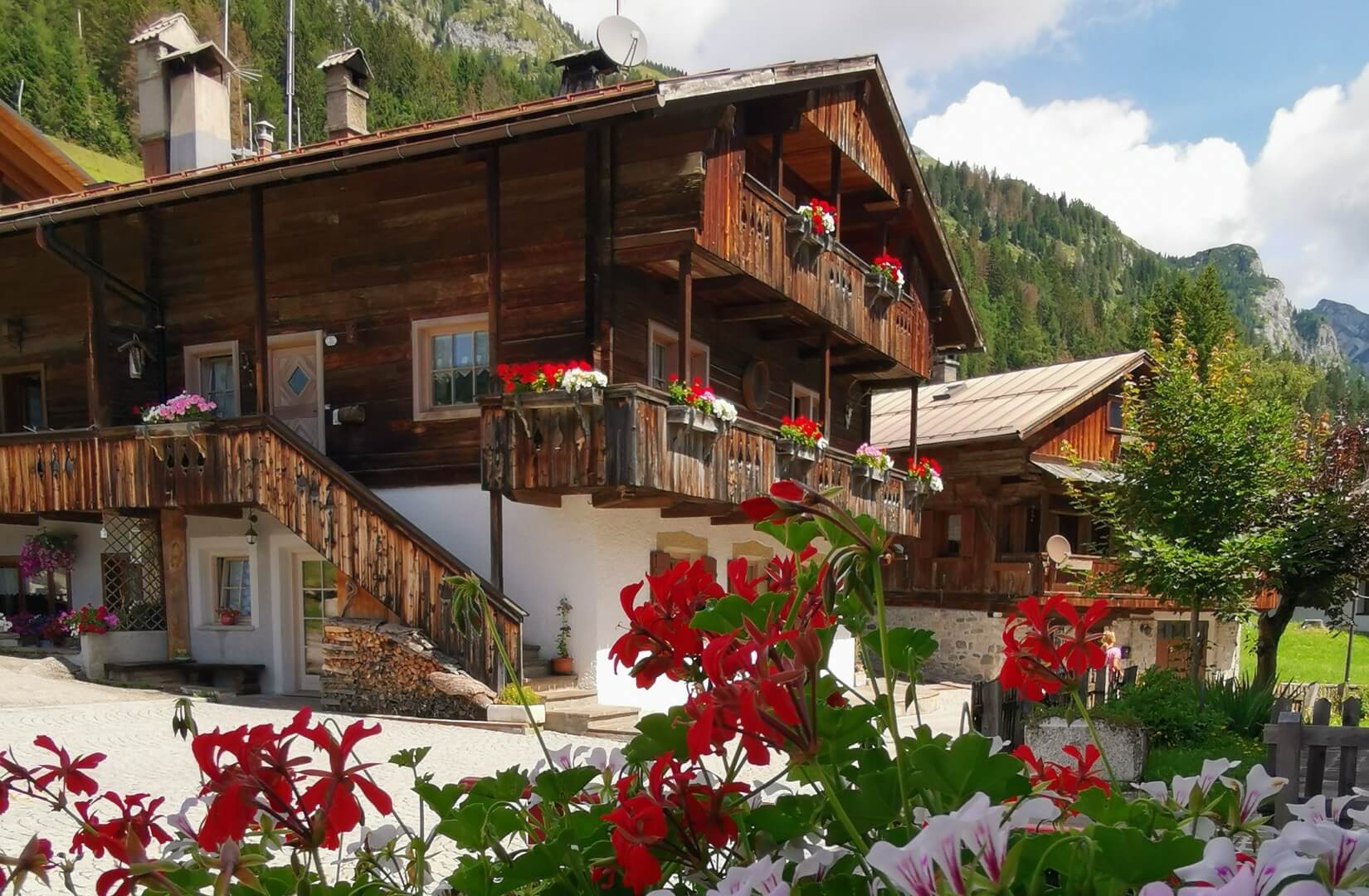
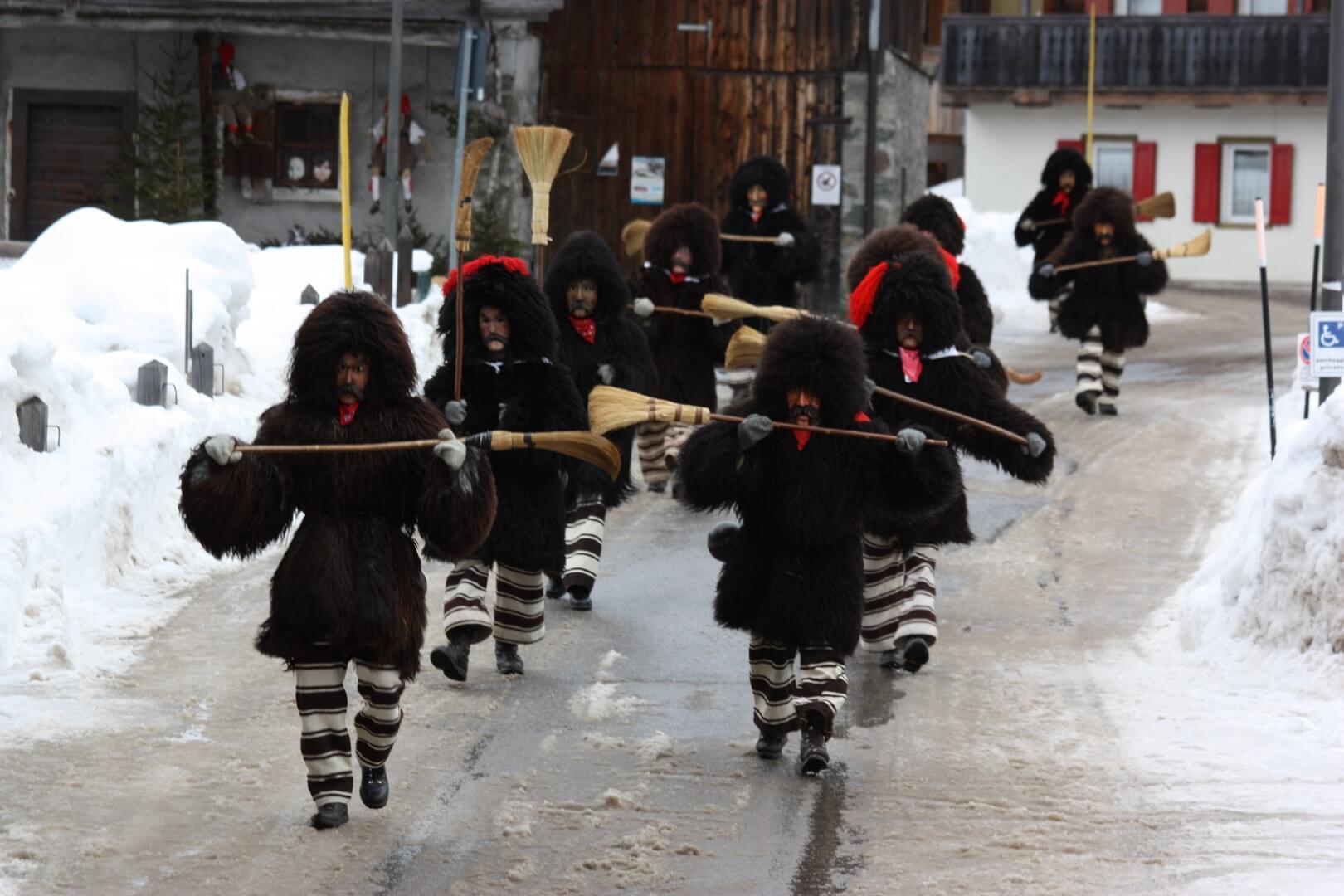
Walking through the hamlets, visitors encounter numerous traditional wooden houses, testimony to an architectural heritage that the village has preserved over time. Traditions continue to mark the annual calendar, from the famous Carnival, known as *Vosenòcht* and characterised by the figure of the *Rollate*, to the many events that celebrate local culture.
Those wishing to explore the community’s identity further can visit museums dedicated to local civilisation, folk traditions, and the events of the First World War, which directly affected the valley because of its proximity to the Alpine front. Alongside history, visitors can discover the flavours of traditional cuisine, rooted in local products and ancient mountain customs.
Among Dolomite landscapes, Alpine culture, and a language that continues to be passed down through generations, Sappada still preserves the authentic character of a community that has successfully maintained its roots while embracing hospitality and tourism.
The uniqueness of Sappada lies above all in its linguistic and cultural identity. The village is one of the historic Germanic language islands of the Alpine region. Here, Plodarisch is spoken, a language handed down from generation to generation for more than a thousand years and still a fundamental element of collective memory and local identity.
Walking through the hamlets, visitors encounter numerous traditional wooden houses, testimony to an architectural heritage that the village has preserved over time. Traditions continue to mark the annual calendar, from the famous Carnival, known as *Vosenòcht* and characterised by the figure of the *Rollate*, to the many events that celebrate local culture.
Those wishing to explore the community’s identity further can visit museums dedicated to local civilisation, folk traditions, and the events of the First World War, which directly affected the valley because of its proximity to the Alpine front. Alongside history, visitors can discover the flavours of traditional cuisine, rooted in local products and ancient mountain customs.
Among Dolomite landscapes, Alpine culture, and a language that continues to be passed down through generations, Sappada still preserves the authentic character of a community that has successfully maintained its roots while embracing hospitality and tourism.