
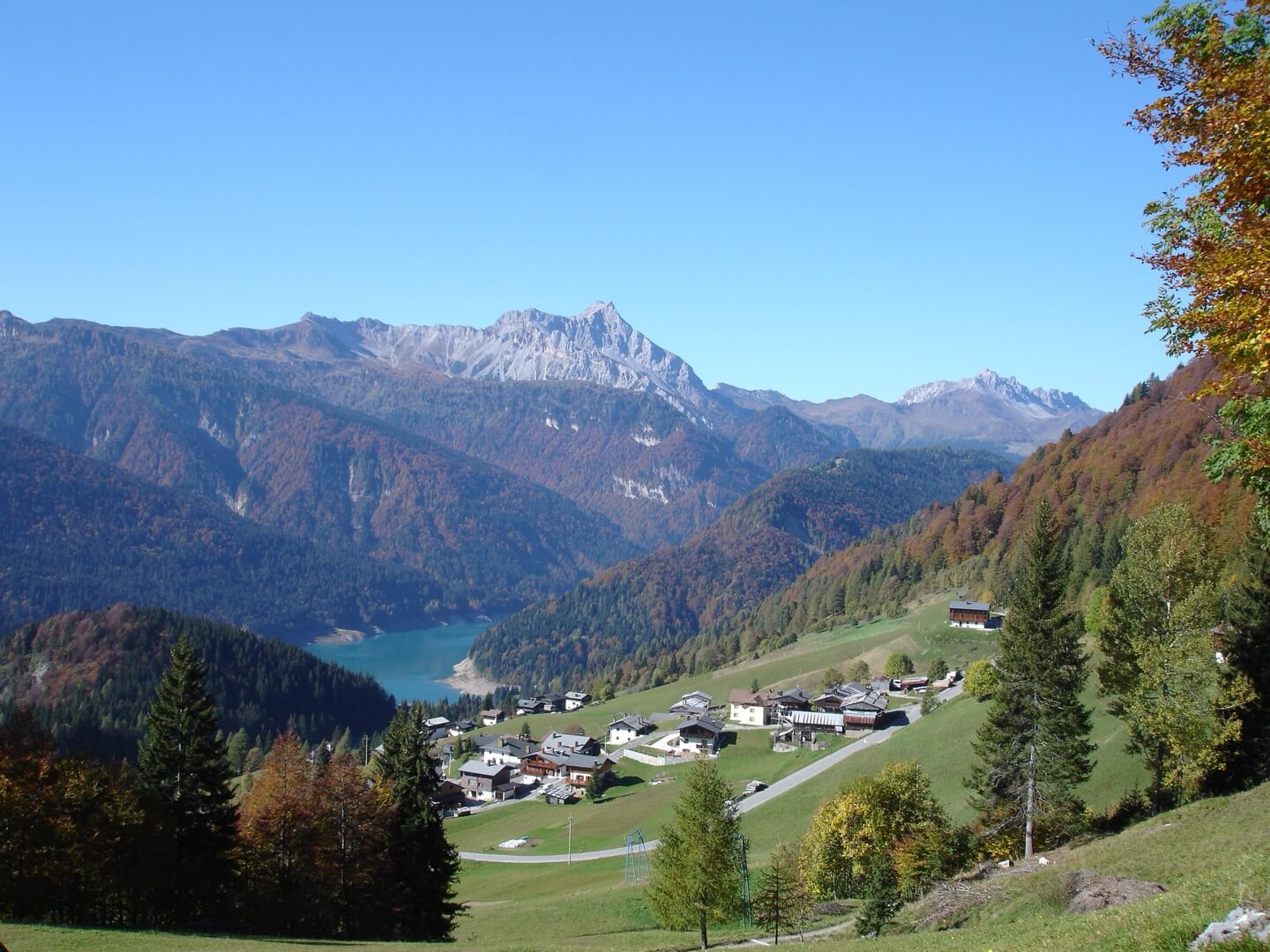
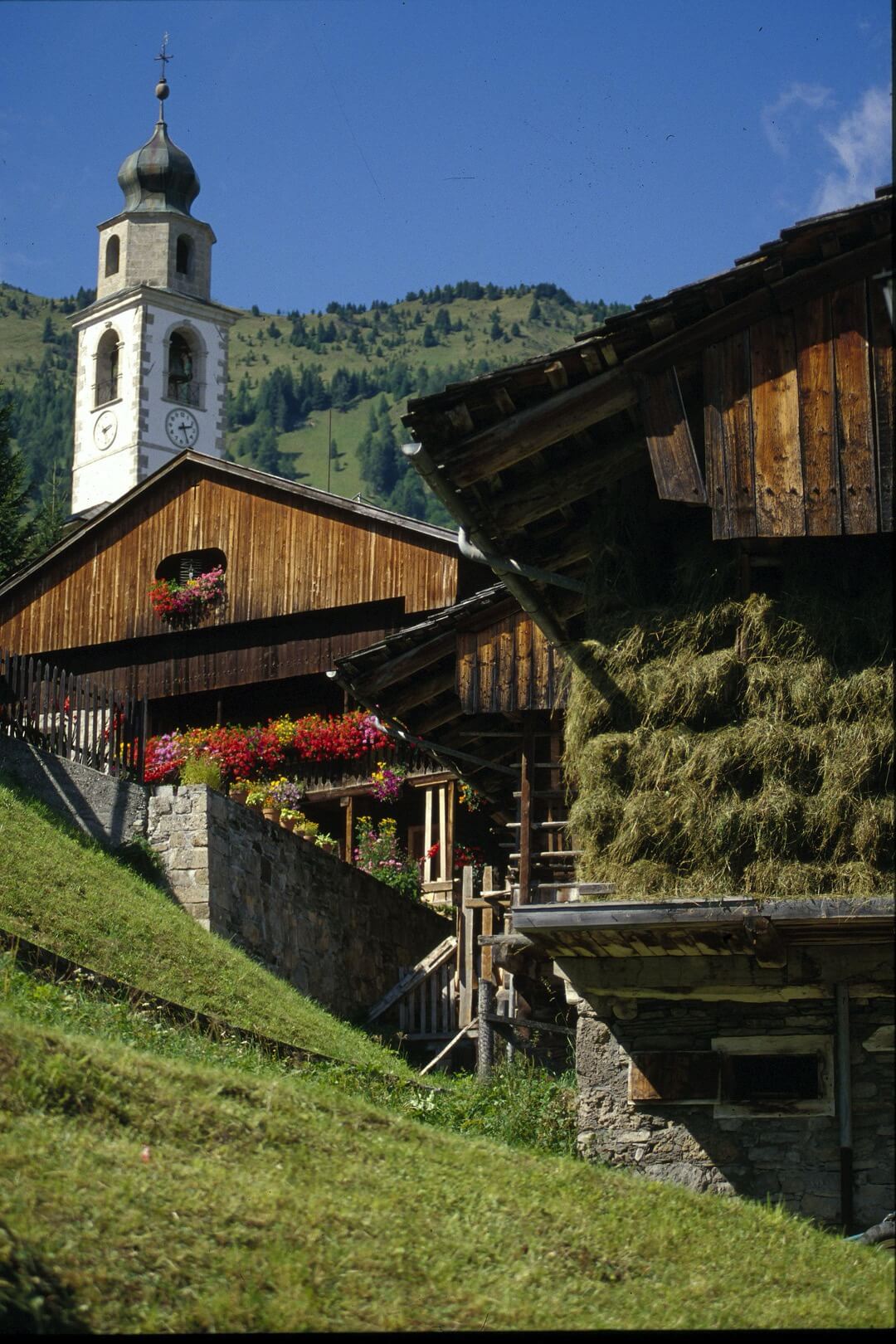
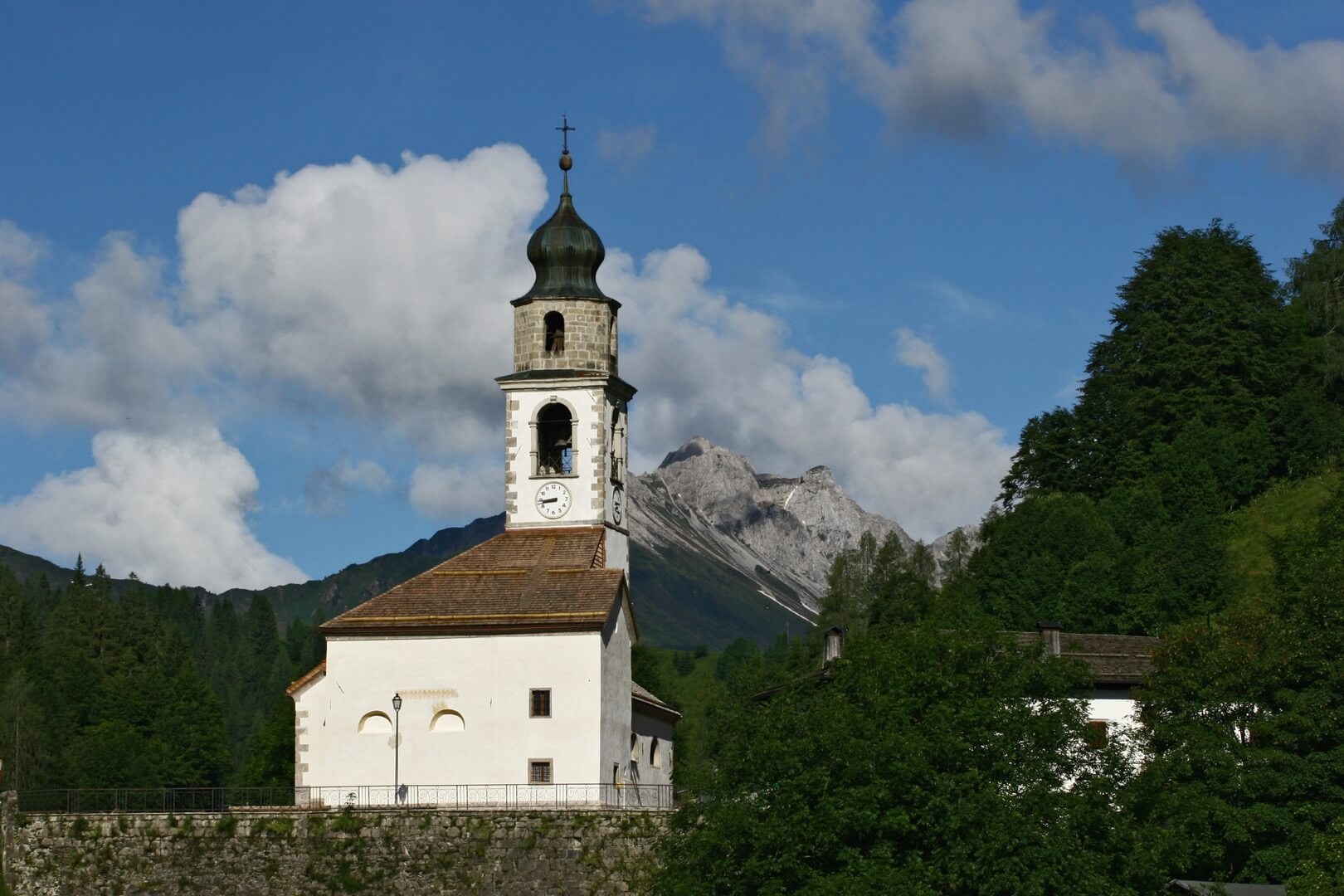
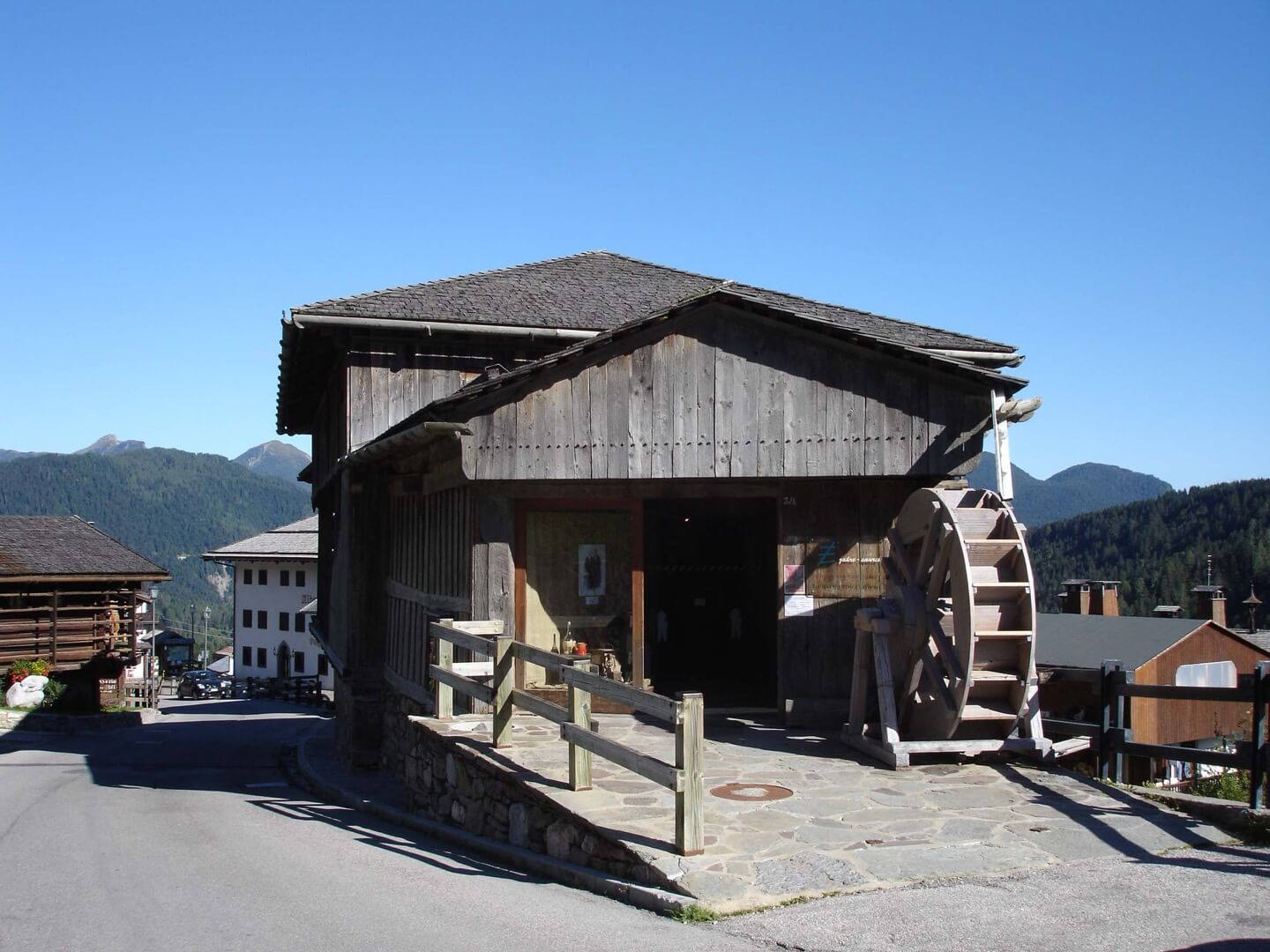
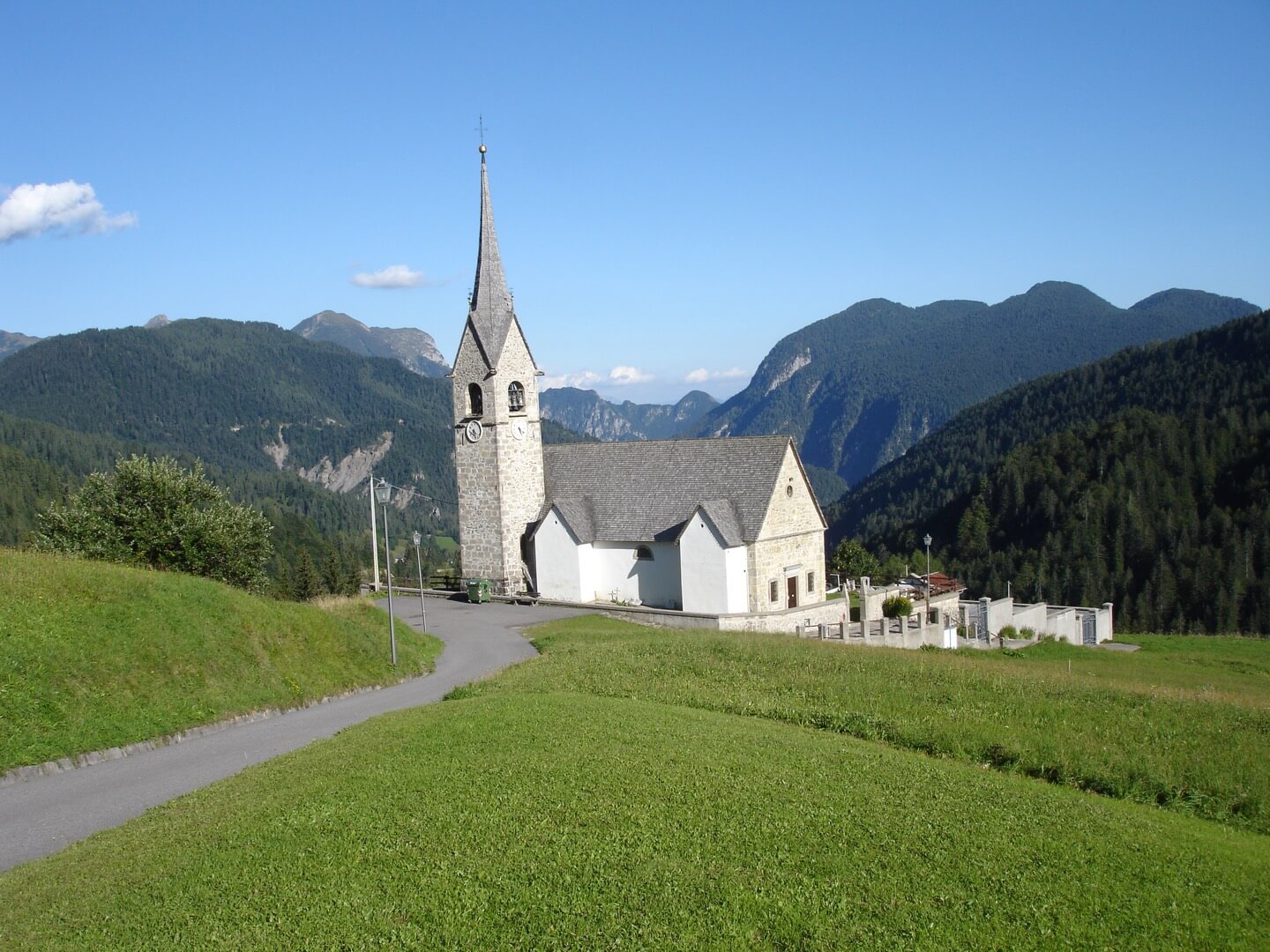
Situated between 1,000 and 1,400 metres above sea level in the upper Lumiei Valley, Sauris/Zahre is one of the most fascinating linguistic islands in Friuli Venezia Giulia. For many centuries, relations with the outside world were shaped by its remote geographical location: connections with neighbouring valleys relied on paths and mountain passes, while the first roads were built only in the twentieth century. This condition helped preserve a language, traditions, and customs that still characterise the community today.
The local language, Sauran, belongs to the Southern Bavarian dialect group and shares similarities with the dialects spoken in Carinthia and Tyrol. For a long time, residents used Sauran in everyday life while also learning Friulian and Italian, developing a culture that was open to outside influences yet deeply rooted in its own origins.
The community’s life has always been closely linked to the meadows, pastures, and forests surrounding the village. Livestock farming and high-altitude agriculture represented essential resources for centuries, while forestry became particularly important during the period of the Republic of Venice, which used timber from the area for shipbuilding. Handicraft activities such as weaving also played a significant role in the local economy.
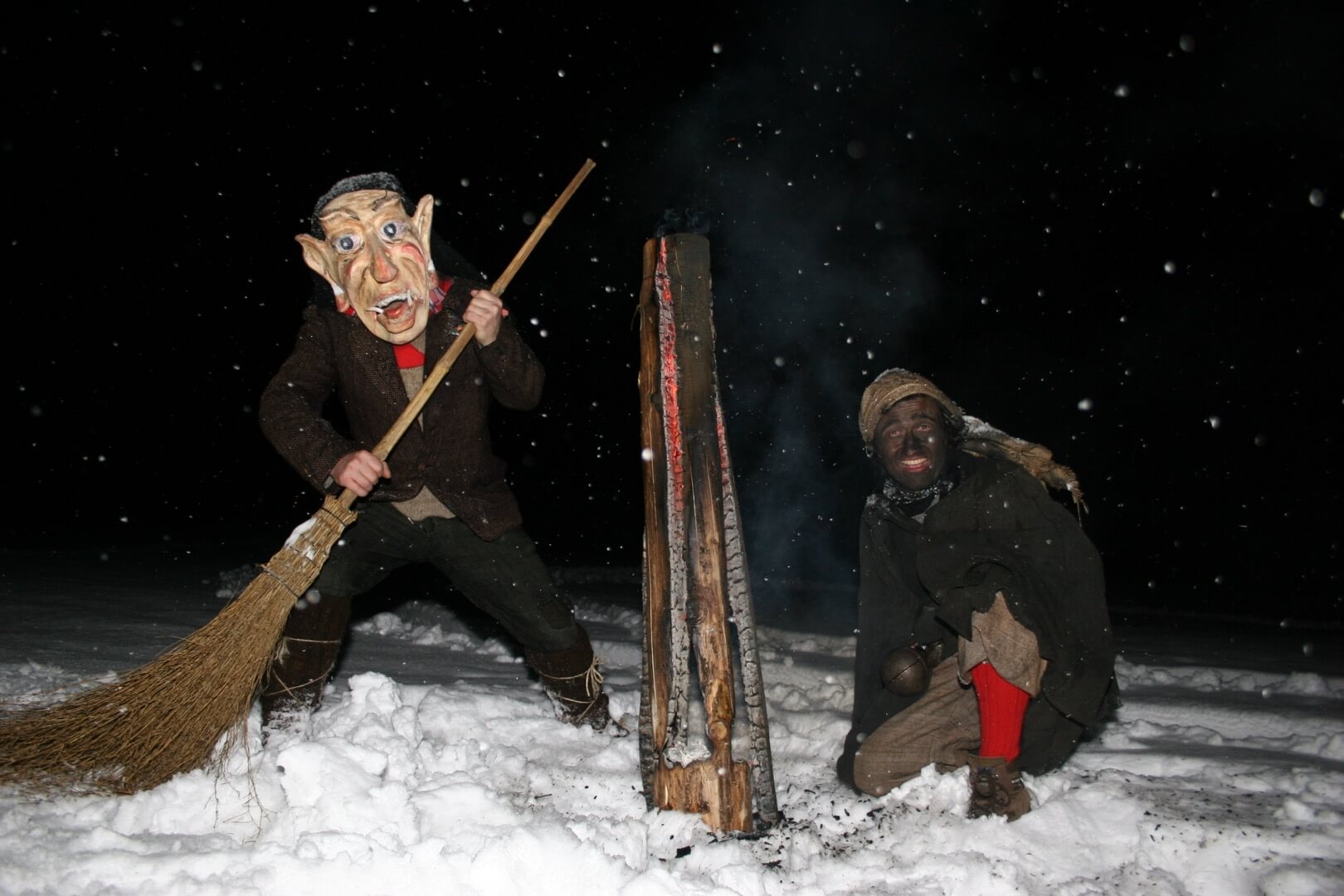
Alongside the language, many traditions still survive today, from religious celebrations to folk festivals, bearing witness to a history that continues to live on in both the landscape and the collective memory of the community. This extraordinary combination of nature, culture, and identity makes Sauris one of the most distinctive places in the Italian Alps.
The local language, Sauran, belongs to the Southern Bavarian dialect group and shares similarities with the dialects spoken in Carinthia and Tyrol. For a long time, residents used Sauran in everyday life while also learning Friulian and Italian, developing a culture that was open to outside influences yet deeply rooted in its own origins.
The community’s life has always been closely linked to the meadows, pastures, and forests surrounding the village. Livestock farming and high-altitude agriculture represented essential resources for centuries, while forestry became particularly important during the period of the Republic of Venice, which used timber from the area for shipbuilding. Handicraft activities such as weaving also played a significant role in the local economy.
Alongside the language, many traditions still survive today, from religious celebrations to folk festivals, bearing witness to a history that continues to live on in both the landscape and the collective memory of the community. This extraordinary combination of nature, culture, and identity makes Sauris one of the most distinctive places in the Italian Alps.