
.jpg)
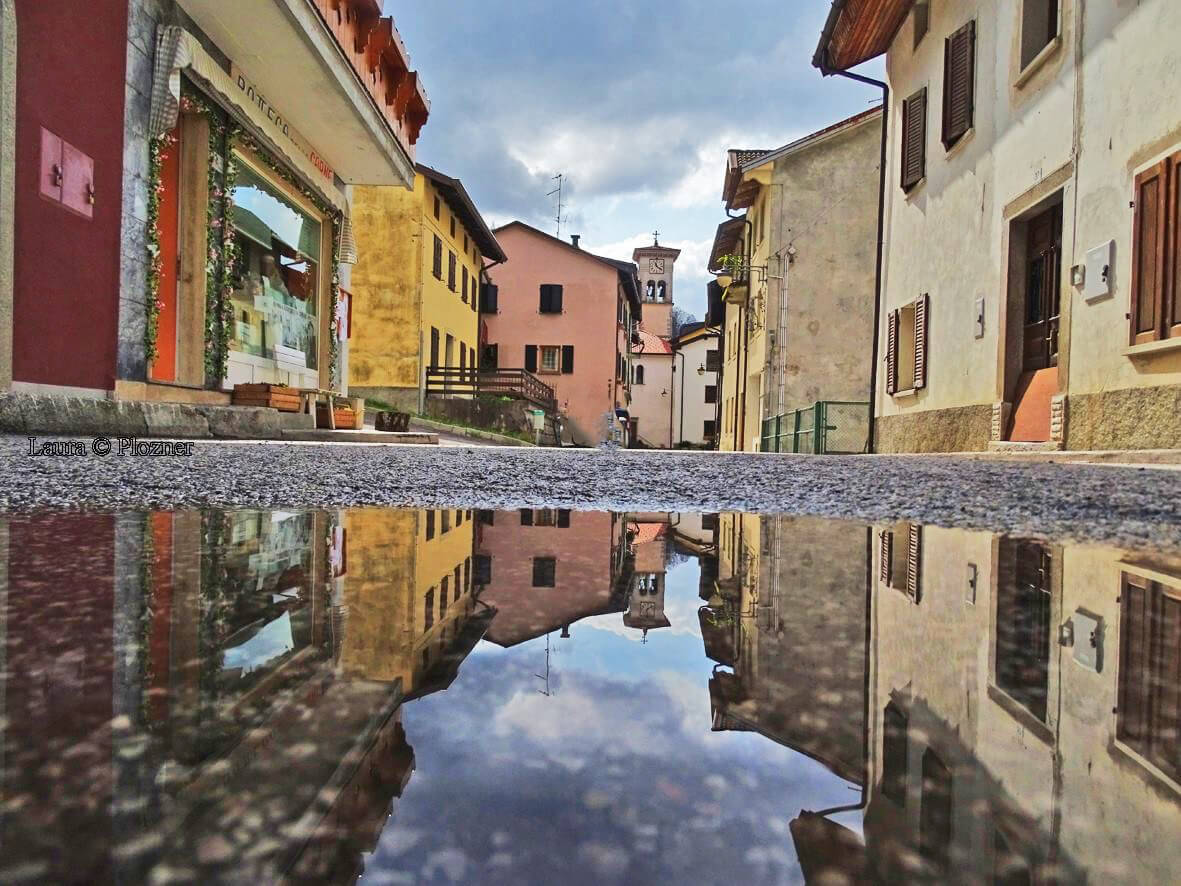
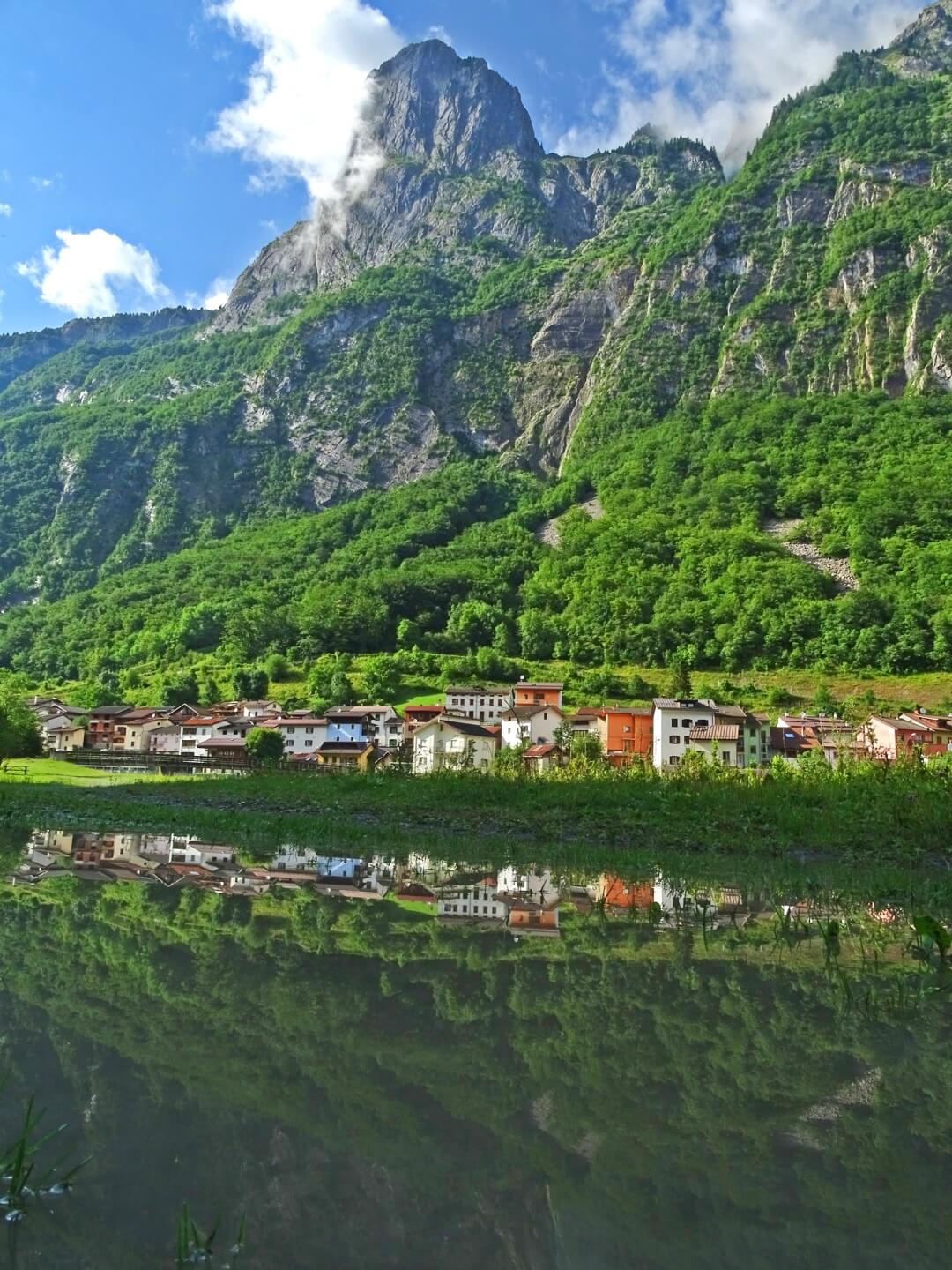
Timau, or Tischlbong in the local language, is located in the heart of Carnia, at an altitude of 820 metres in the Bût Valley. The village lies at the foot of an imposing mountain wall and is crossed by the Bût River, which is largely fed by the waters of the Fontanone spring, one of the most distinctive natural features of the area.
The history of the community is closely linked to migration movements from Carinthia and from the Gail Valley and Weissensee areas. Settlement took place in two main phases: one around the year 1000 and another toward the end of the 13th century. These origins gave rise to the local language, which belongs to the Southern Bavarian dialect group and remains a living testimony to the cultural ties with the Alpine world beyond the border.
Like other Alpine language islands, Timau has preserved a strong cultural identity over the centuries, thanks to its geographical location and the close-knit life of the valley community. Language, traditions, and historical memory continue to be central elements of village life and constitute a valuable heritage passed down from generation to generation.
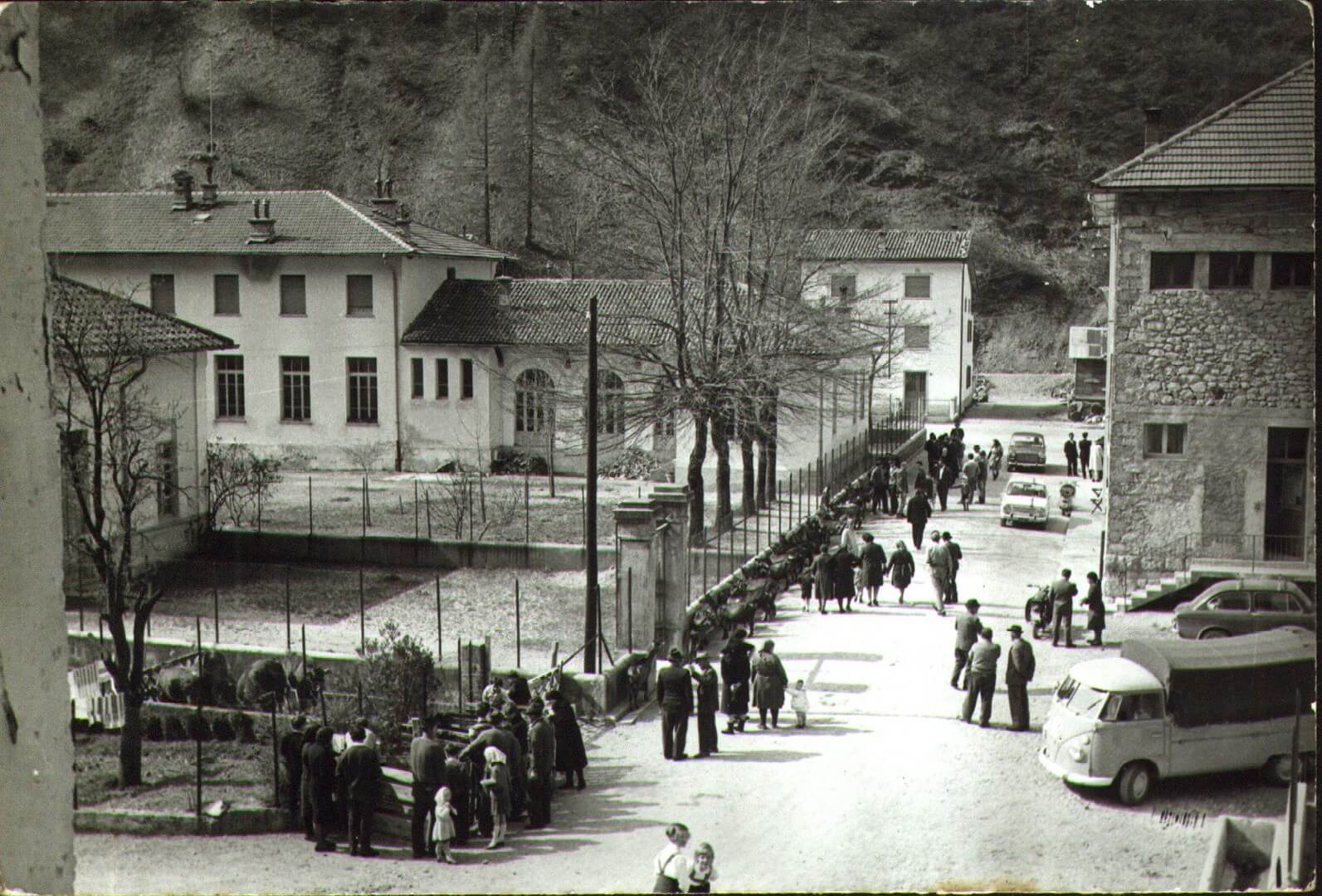
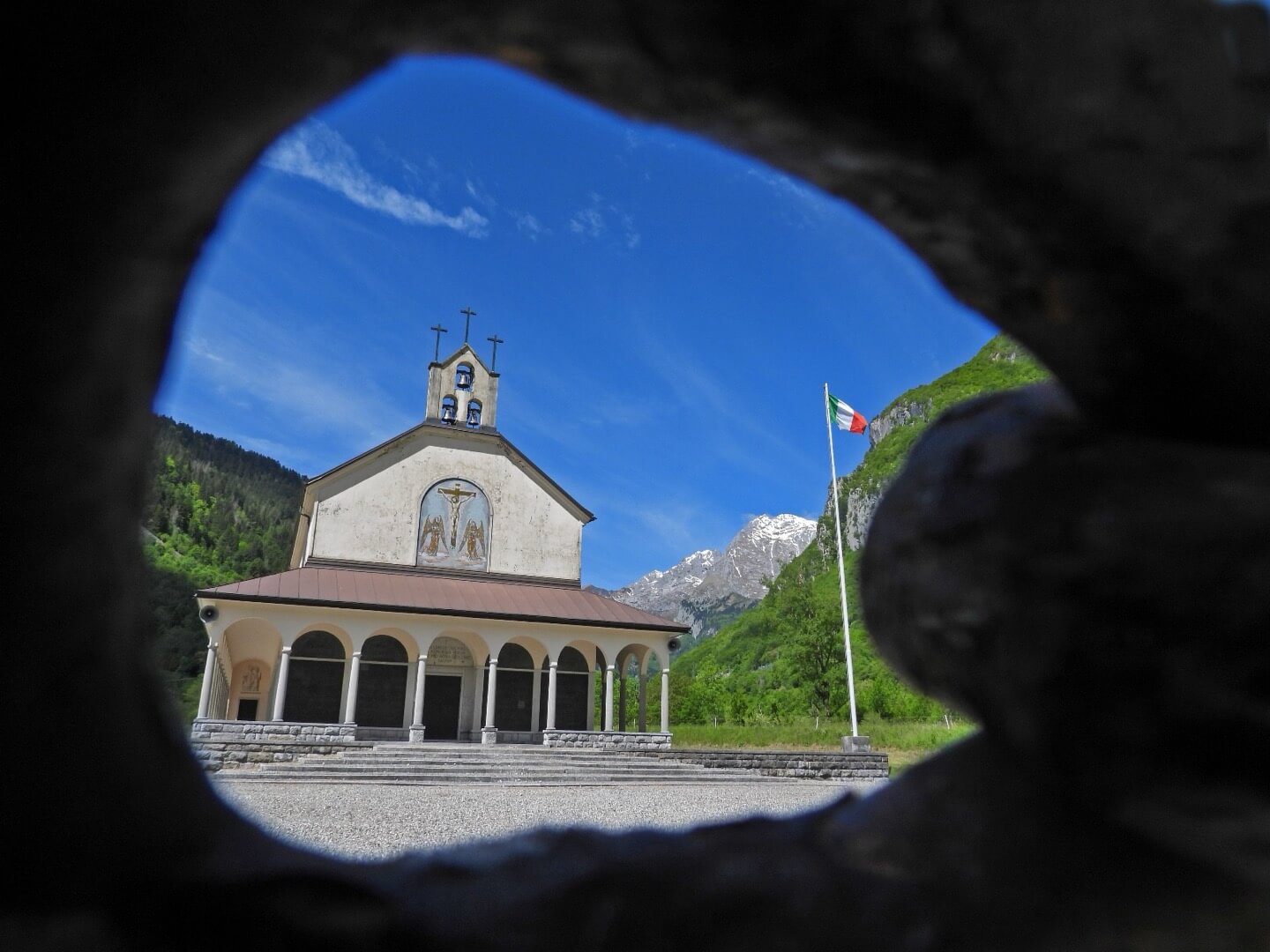
Local cultural associations, folklore groups, and organisations dedicated to promoting the language and traditions of Timau play an important role in preserving this heritage. The Historical Museum also houses documents, photographs, and testimonies related to the First World War and to the story of the *Carnic Porters*, whose contribution left a profound mark on the memory of the region.
Among Alpine landscapes, history, and culture, Timau continues to tell a unique story within the panorama of Italy’s historic linguistic communities.
The history of the community is closely linked to migration movements from Carinthia and from the Gail Valley and Weissensee areas. Settlement took place in two main phases: one around the year 1000 and another toward the end of the 13th century. These origins gave rise to the local language, which belongs to the Southern Bavarian dialect group and remains a living testimony to the cultural ties with the Alpine world beyond the border.
Like other Alpine language islands, Timau has preserved a strong cultural identity over the centuries, thanks to its geographical location and the close-knit life of the valley community. Language, traditions, and historical memory continue to be central elements of village life and constitute a valuable heritage passed down from generation to generation.
Local cultural associations, folklore groups, and organisations dedicated to promoting the language and traditions of Timau play an important role in preserving this heritage. The Historical Museum also houses documents, photographs, and testimonies related to the First World War and to the story of the *Carnic Porters*, whose contribution left a profound mark on the memory of the region.
Among Alpine landscapes, history, and culture, Timau continues to tell a unique story within the panorama of Italy’s historic linguistic communities.